
The Role of Wall Thickness in Achieving a Smooth Finish
When preparing walls for painting, the thickness of the sheetrock plays a crucial role. It affects not only the durability and soundproofing but also how well paint adheres and appears on the surface. Understanding these influences can lead to better painting results and more satisfactory outcomes.
Different Sheetrock Options and Their Uses
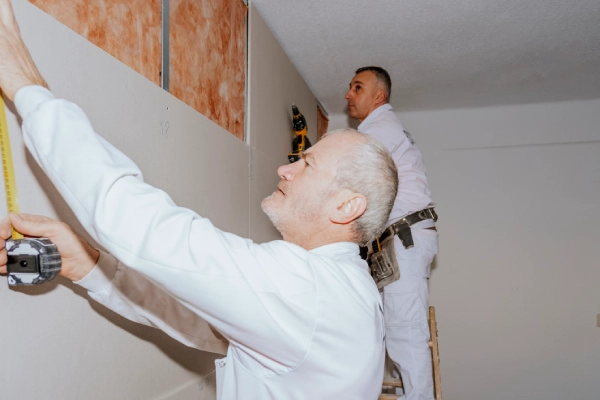
Sheetrock comes in various thicknesses, each serving distinct purposes. The most common thicknesses are 1/4 inch, 1/2 inch, and 5/8 inch. Thicker sheets, like the 5/8 inch variety, are often used for their fire resistance and soundproofing qualities. These attributes make them ideal for ceilings and areas needing extra support. Meanwhile, thinner options may be used in remodeling or as overlays on existing surfaces.
Impact of Sheetrock Installation on Paint Texture
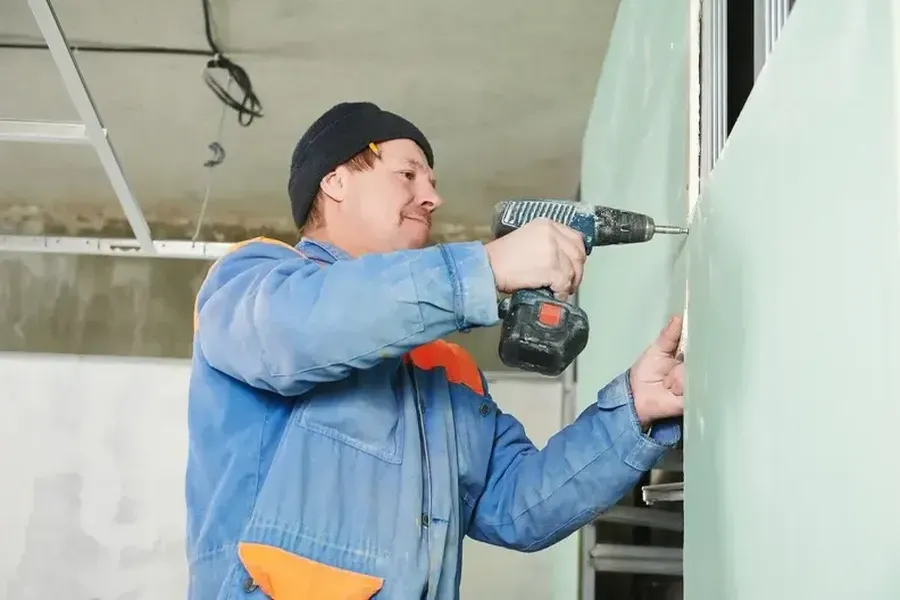
Proper sheetrock installation is essential to achieve a smooth finish when painting. Poorly installed sheetrock can cause uneven surfaces that become visible once painted. Issues such as bubbling or cracking in paint can arise from inadequate or rushed installations. Ensuring the correct procedures during installation helps maintain the integrity of the wall surface.
How Thickness Affects Paint Absorption
Thicker sheetrock tends to absorb paint differently than thinner versions. This absorption rate impacts how many coats of paint you’ll need to apply. Typically, thicker sheets require fewer coats because they provide a more consistent base, reducing the number of layers necessary to achieve your desired color and finish.
The Connection Between Sheetrock Thickness and Durability
Choosing the right sheetrock thickness can greatly influence wall durability. Thicker sheets provide sturdier surfaces that resist damage better than their thinner counterparts. This added strength translates into fewer repairs down the line, making it an investment in both time and money savings.
Considerations for Professional Painters
Professional painters often have preferences based on experience with different sheetrock types. They understand that factors such as moisture levels and room use affect which thickness is best suited for a job. In humid areas, for example, thicker sheetrock might prevent warping and other moisture-related issues.
- Evaluate the purpose of the room to select appropriate sheetrock thickness
- Consider environmental factors like humidity when choosing materials
- Consult with professionals to ensure optimal installation practices
Best Practices for Optimizing Painting Results
To get the best painting results, consider starting with high-quality materials. Ensure that the sheetrock is properly installed before beginning any paint application. Use primer to create a uniform surface that enhances paint adhesion and finish. Finally, choose quality paints that complement your chosen thickness for lasting results.
Getting Started With Your Project
If you’re considering a project involving new walls or renovating existing ones, understanding how sheetrock thickness can affect your painting results is key. Contact Perfect Painting PTG LLC at (346) 358-7306 for expert advice tailored to your specific needs. We operate in Richmond, TX, providing top-notch service to ensure your walls look their best.